Deciding whether to repair or replace a water heater is one of the most common questions Richmond Hill, GA, homeowners face, and water heater repair is not always the right answer. The wrong choice can cost you hundreds of dollars more than necessary. This guide lays out a clear framework for 2026 so you can make a confident decision before calling a plumber. Not sure where to start? Call Sunrise Plumbing at
(912) 572-9234 , and we will walk you through it at no charge.
How Old Is Your Water Heater? Start Here.
Age is the single most reliable starting point. Traditional tank water heaters typically last 8 to 12 years, while tankless units can last 15 to 20 years with proper maintenance. If your unit is within its expected lifespan, a targeted repair often makes financial sense. Past that window, the math usually shifts toward replacement.
A simple age-based framework:
- Under 6 years old: Repair is almost always the right move, unless the tank is cracked or corroded.
- 6 to 10 years old: Weigh repair costs carefully. Minor repairs can be worth it; major component replacements may not be.
- Over 10 years old (tank): Replacement becomes the stronger option, especially if repairs are recurring.
- Over 15 years old (tankless): Evaluate performance history and component availability before committing to a major repair.
Richmond Hill homeowners should note that coastal humidity and salt air in Bryan County can accelerate corrosion on external components, shortening a unit's effective working life compared to inland areas.
What Are the Signs Your Water Heater Cannot Be Repaired?
Some warning signs point clearly to replacement rather than water heater repair in Richmond Hill, GA. A licensed plumber can confirm a diagnosis, but knowing these signals helps you prepare.
Signs That Lean Toward Repair
- Inconsistent water temperature with no visible tank damage.
- A tripped reset button, which may indicate a faulty thermostat or heating element.
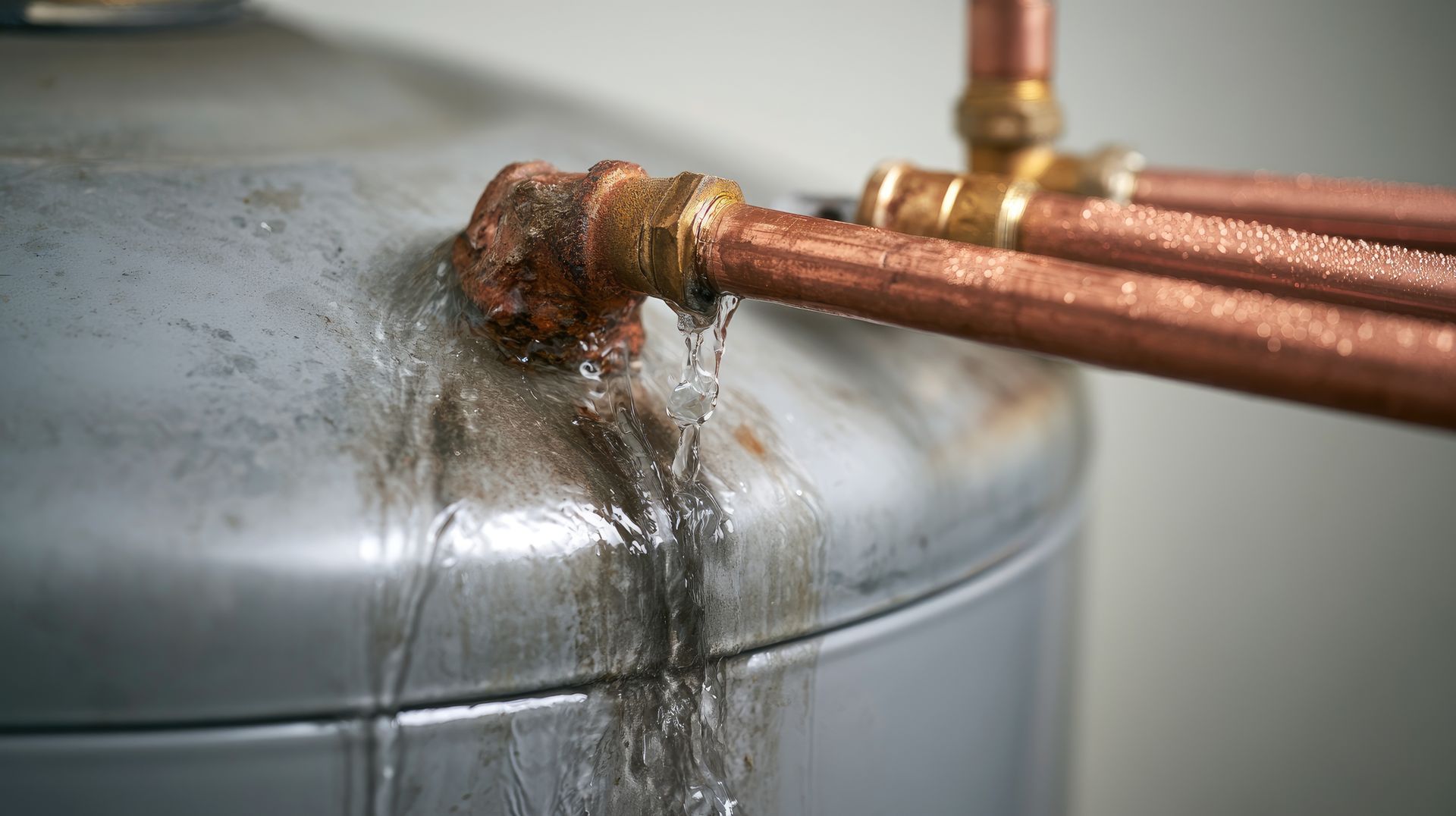
- Minor leaks at fittings or connections rather than from the tank body.
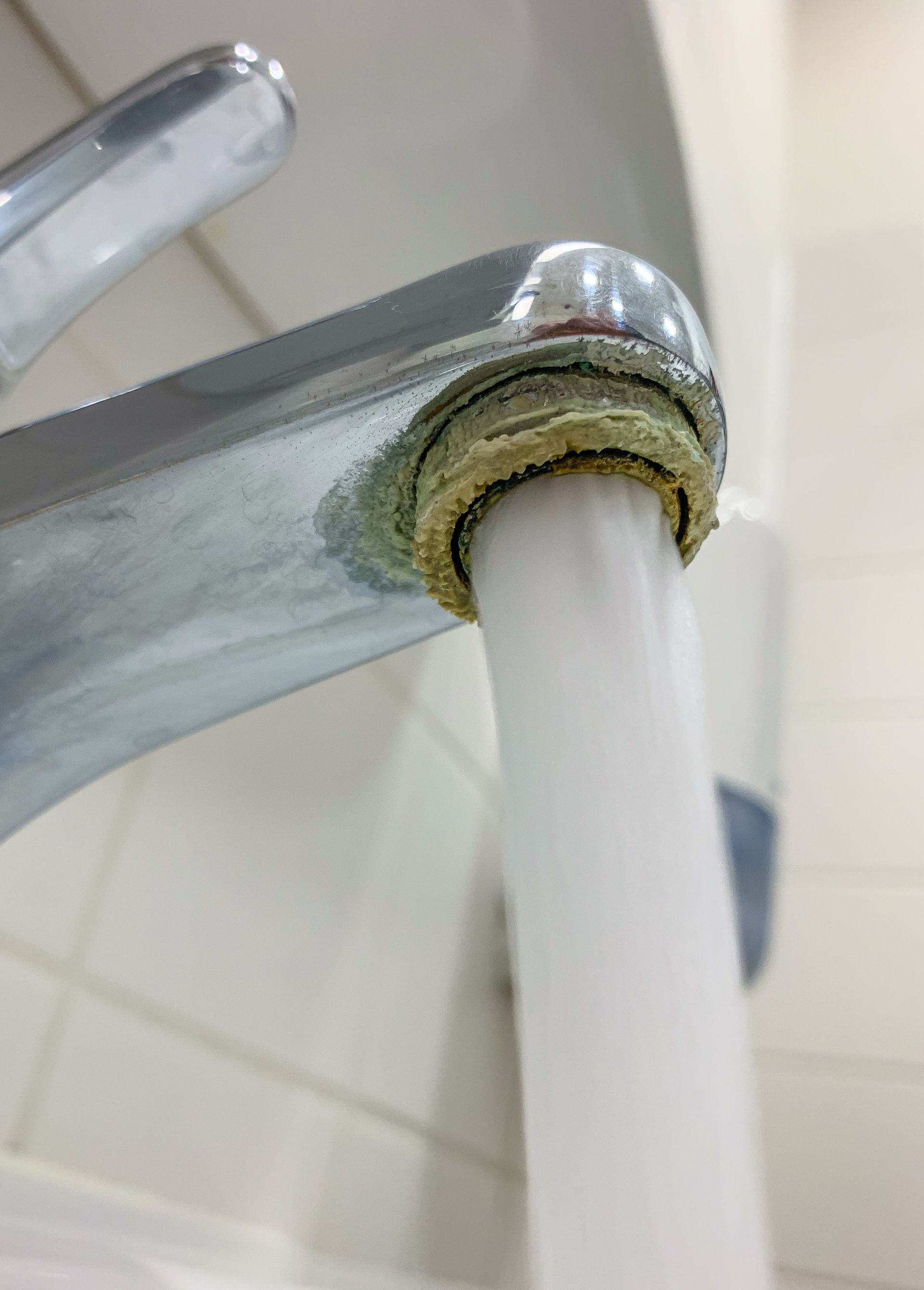
- Discolored water caused by a deteriorating anode rod, which can often be replaced.
Signs That Lean Toward Replacement
- Rust or corrosion on the tank itself, particularly around the base or seams.
- A leak originating directly from the tank body, which cannot be patched reliably.
- Repeated failures within a short time, suggesting systemic decline.
- Significant sediment buildup that has reduced heating efficiency.
- A unit over 10 years old needing a repair that costs more than half the price of a new unit.
The 50 Percent Rule and How to Apply It
If the estimated repair cost exceeds 50 percent of the cost of a comparable new unit, replacement is typically the smarter investment. A repair at that price point rarely restores full efficiency or extends the unit's life enough to justify the spend.
This threshold works best alongside age. A seven-year-old unit with a moderate repair bill may still be worth fixing. The same bill on a unit pushing 12 years is harder to justify. Always request a clear diagnosis and upfront pricing before any work begins so you can apply this framework with real numbers. You can find us on
Google Maps for business details and location information.
Tank vs. Tankless: What Makes Sense for Richmond Hill Homes?
Richmond Hill draws its water supply from deep wells tapping the Floridan Aquifer. That water can carry higher mineral content, including calcium and magnesium, due to limestone geology. Over time, mineral load accelerates sediment buildup inside traditional tank units, reducing efficiency and lifespan.
For homeowners in communities like Buckhead East, Waterways Township, or Sterling Creek who are already dealing with a failing tank unit, switching to a tankless model is worth considering at replacement time. Tankless units heat water on demand, eliminate sediment accumulation, and perform well even when water chemistry is not ideal, provided the heat exchanger is flushed periodically.
That said, tankless units carry a higher upfront cost and may require updated gas lines or electrical panels. A professional assessment helps determine whether your home is a practical candidate for the upgrade.
A Quick FAQ for Richmond Hill Homeowners
How Long Does a Water Heater Repair Typically Take?
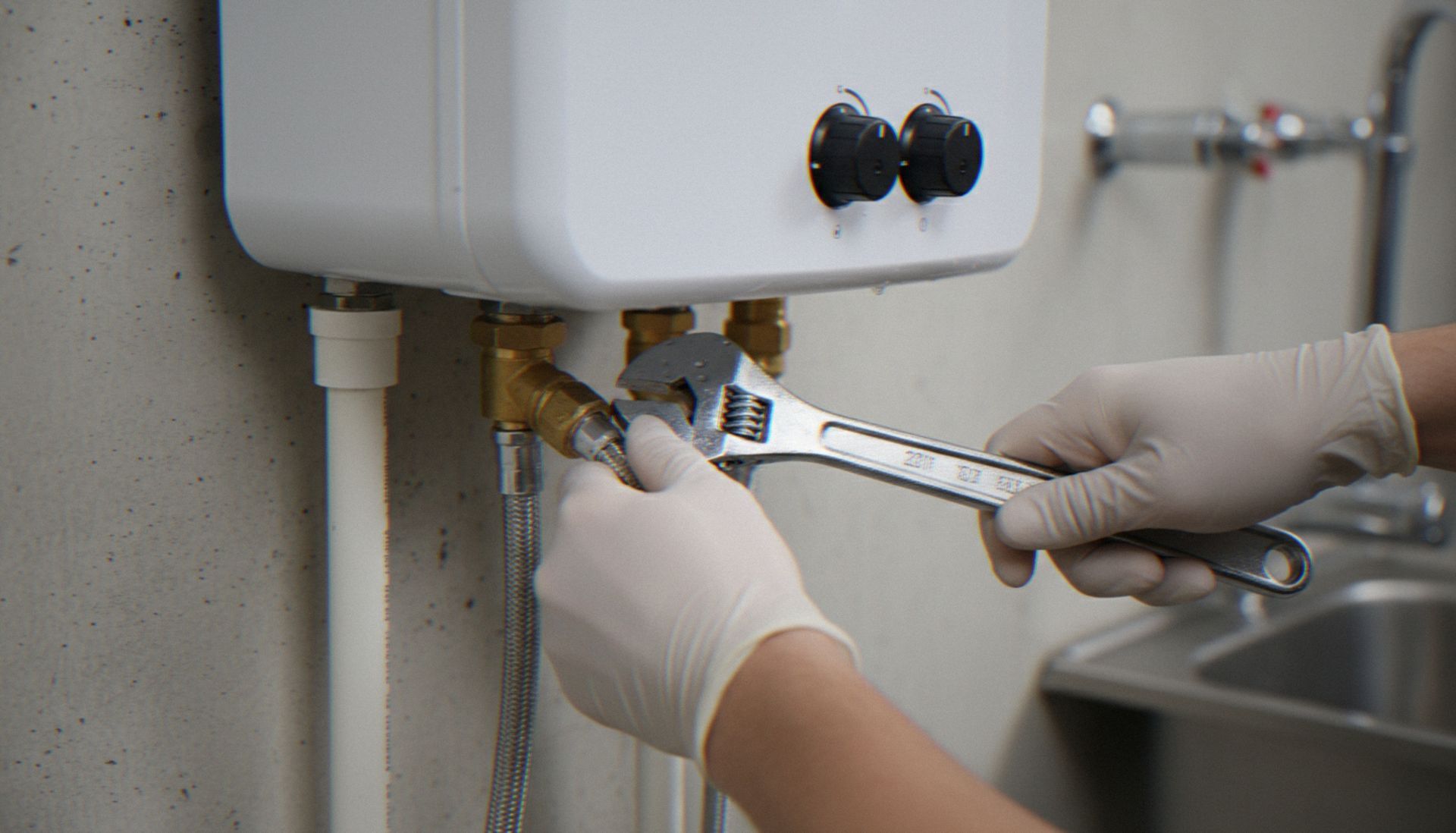
Most standard repairs are completed in a single service visit. Common fixes such as element replacements, thermostat swaps, or anode rod service are often finished the same day.
Can Hard Water in Bryan County Affect My Warranty?
Mineral-related damage from untreated hard water may affect warranty coverage on some units. Flushing the tank annually and considering a water softener or filtration system can help protect your investment and extend your water heater's practical life.
Should I Repair or Replace a Leaking Water Heater?
It depends on where the leak originates. Leaks at connections or valves can often be repaired. A leak from the tank body itself is a strong indicator that replacement is needed, as tank wall integrity cannot be restored once compromised.
What Should I Do If I Have No Hot Water Right Now?
Check the circuit breaker or pilot light first. If those are functioning normally, contact a licensed plumber promptly. A complete loss of hot water can indicate a failed heating element, a faulty thermostat, or a gas supply issue, all of which require professional diagnosis.
Ready to Get an Expert Opinion? Contact Sunrise Plumbing
Making the right call between repair and replacement is easier with a licensed plumber on your side. Sunrise Plumbing serves Richmond Hill, GA, and surrounding Bryan County communities, providing honest assessments so you know exactly what your unit needs and what it will cost before any work begins.
Whether you need
water heater repair
to get back up and running quickly or are ready to explore a full
water heater replacement, the team handles tank and tankless systems of all types. Call
(912) 572-9234 to schedule service or request a free quote.